
Adult Dog Manners
Adult dog manners: start here
Adult dogs learn new habits too. The approach is the same at any age: reward the behavior you want, prevent the old habit while the new one grows, and make each step easy enough to win.
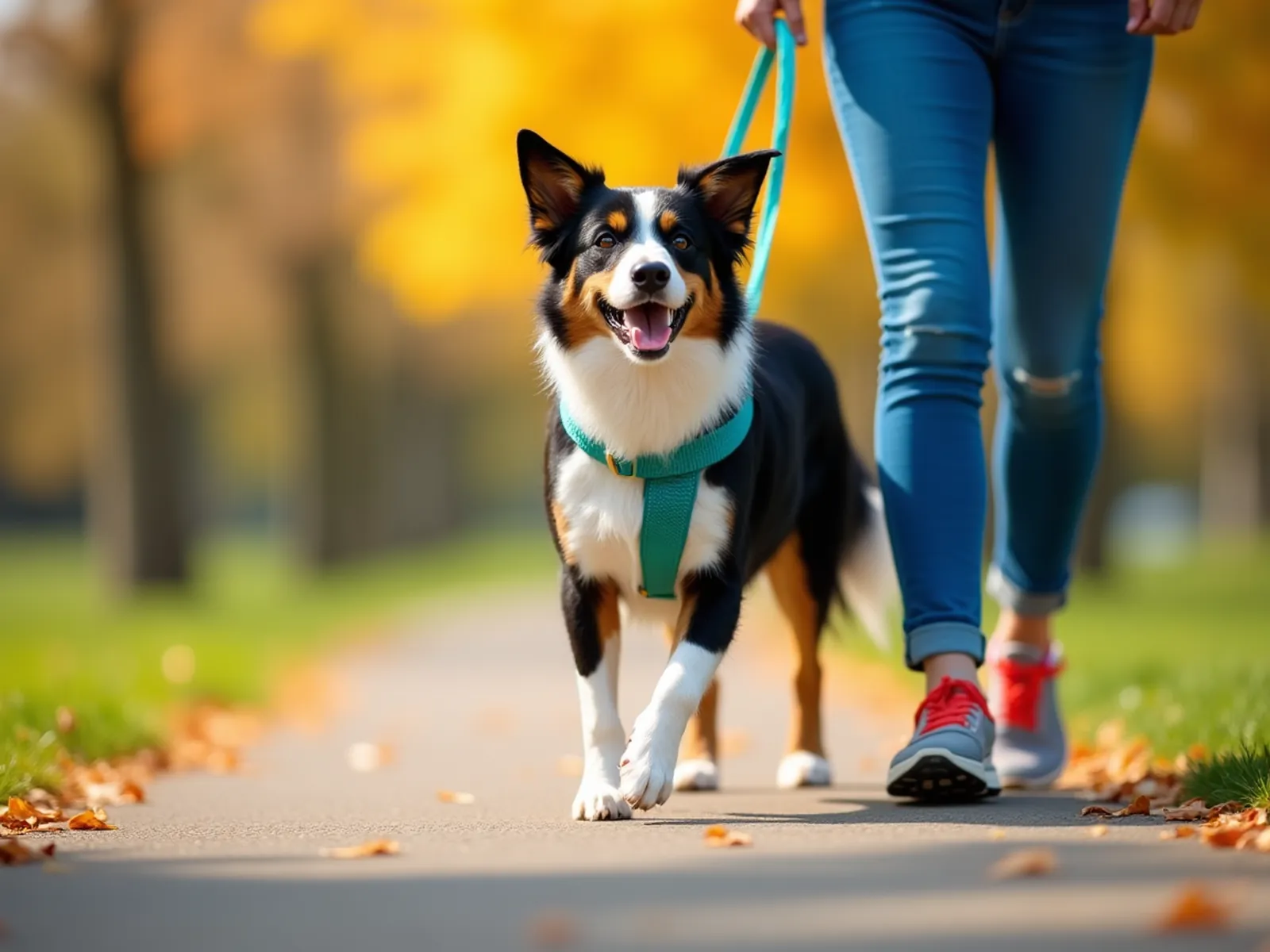
Where to begin
Pick the habit that causes the most trouble in your week and start there; the skills build on each other. Loose-leash walking turns every walk into a short training session, a calm greeting makes visitors easier, and a reliable recall is the skill that keeps your dog safe. Keep sessions short and upbeat, and expect progress over weeks rather than days.
The rules that make every plan work
- Reward what you want straight away, with something your dog really values.
- Manage the moments you can't train yet (a leash at the door, a quieter route), so the old habit isn't rehearsed.
- Raise difficulty one thing at a time: distance, distraction or duration.
- No yanking, pushing or scolding. They add stress and teach the dog very little.
Which guide fits your problem?
| If your dog... | Start with | Helpful extra |
|---|---|---|
| Drags you down the street | Loose-leash walking | Choosing a no-pull harness for management while you train |
| Launches at every guest | A calm greeting instead of jumping | A leash or baby gate at the door while you practice |
| Ignores you at the park | Recall in five stages | A long line on a harness for safety |
| Was adopted recently | The rescue-dog path | Settle first; manners training goes better on a calm dog |
Read these in this order
- 1
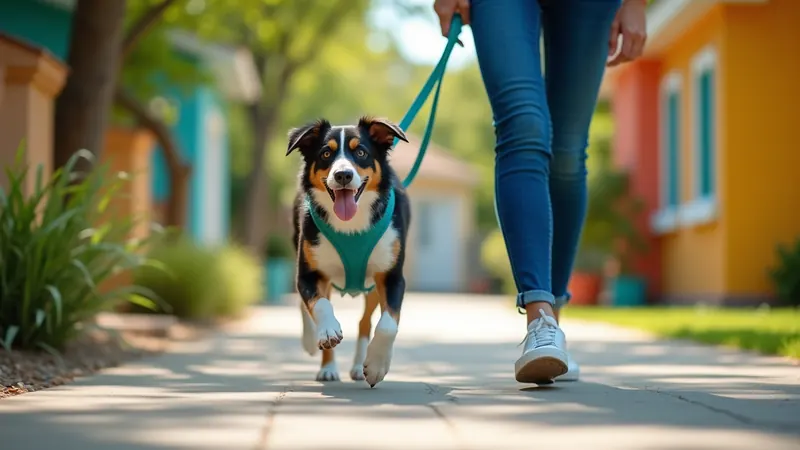
How to Stop Your Dog Pulling on the Leash
Loose-leash walking taught with rewards and patience.
- 2
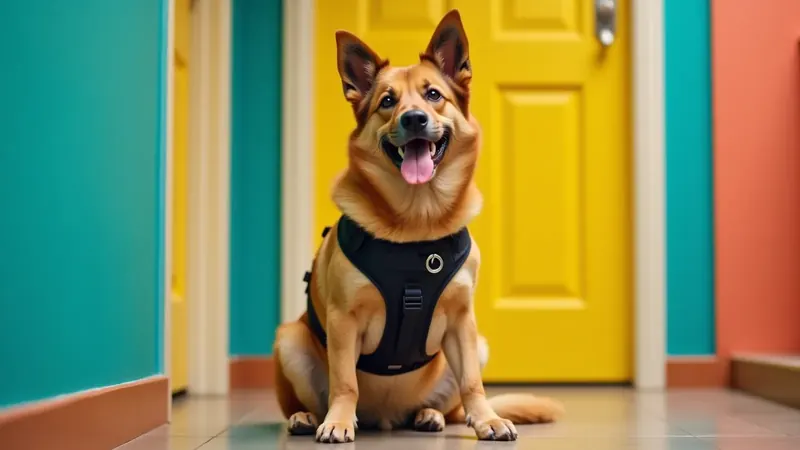
How to Choose a No-Pull Harness
Front-clip, back-clip and dual-clip, and how to check the fit.
- 3
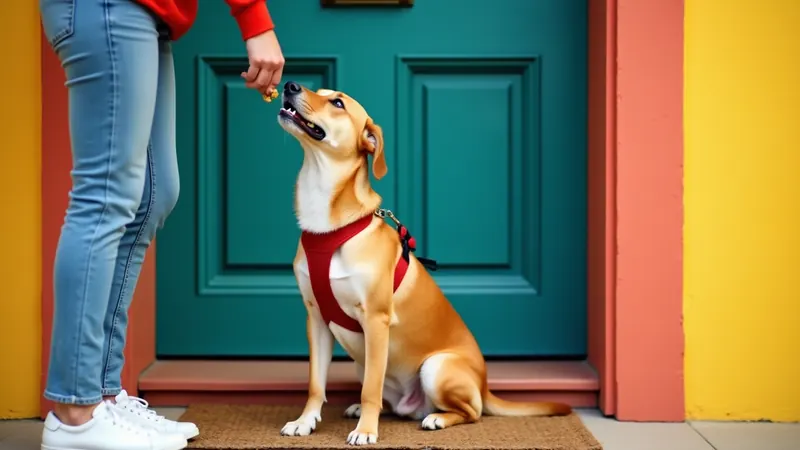
How to Stop Your Dog Jumping on People
Teach a greeting that earns attention with four paws down.
- 4
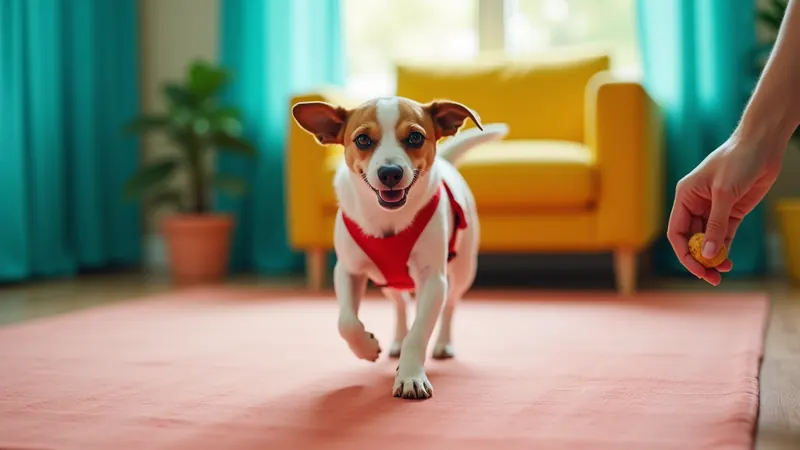
How to Teach a Dog Recall
A reliable come-when-called, built in five stages.
When an adult dog needs a professional
If your dog lunges, barks or growls at people or other dogs, guards things, or has bitten, a training guide is not enough on its own. Start with your veterinarian to rule out pain, then work with a qualified behavior professional. A sudden change in an older dog's behavior is always a reason to see the vet first.
Adopted an adult dog recently? The rescue-dog path covers the first weeks, including house training an older dog.
Thinking about an online program?
Our honest review of Doggy Dan's The Online Dog Trainer covers what it costs, who it suits and the free alternatives.