
Rescue Dog
Rescue dog: start here
An adopted dog arrives with a past you may know little about. Go slowly, keep days predictable and let trust build at the dog's pace. These guides follow the order most adopters need.

Your first-week priorities
A new home is a lot for any dog: new people, new smells, new rules. Shelters often describe the adjustment with the 3-3-3 rule of thumb (about three days to decompress, three weeks to learn the routine, three months to feel at home), but every dog moves at its own speed. In the first days, aim for quiet, predictable routines and a safe space the dog can retreat to, and save big outings, visitors and training goals for later.
If you only do four things this week
- Give the dog a quiet retreat and let it choose when to come to you.
- Keep meals, walks, toilet trips and bedtime at the same times every day.
- Treat the dog as not yet house trained: take it out often and reward success outside.
- Practise very short absences from day one, so being alone stays easy.
What the first months usually look like
| When | Focus | Guide |
|---|---|---|
| First days | Quiet, a safe retreat, the same routine every day; no pressure to interact | The 3-3-3 rule |
| First weeks | Restart house training as if from scratch; reward every success outside | House training an older dog |
| From day one | Very short absences that stay below the point where the dog gets worried | Alone-time training |
| Once settled | Walks, greetings and recall with rewards | Adult dog manners |
Read these in this order
- 1
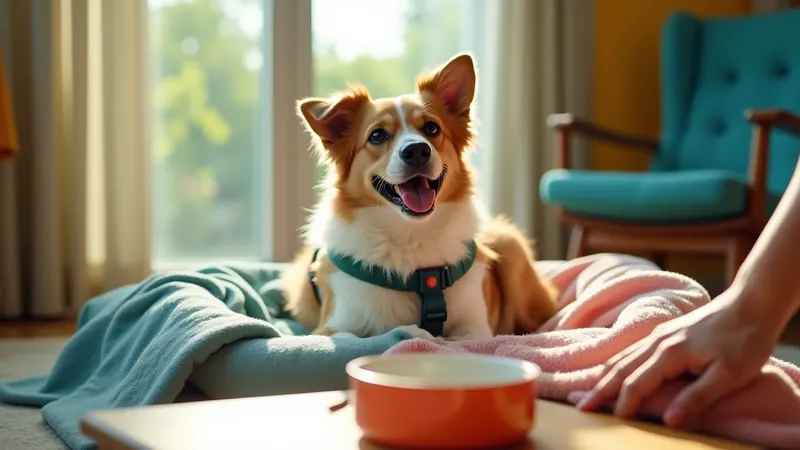
The 3-3-3 Rule for Rescue Dogs
What the first 3 days, weeks and months can look like.
- 2
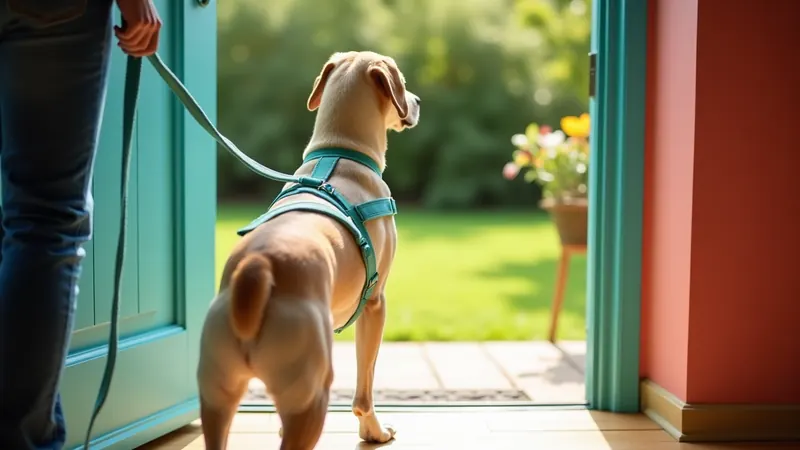
How to House Train an Older Dog
Restart toilet training with an adult or rescue dog.
- 3
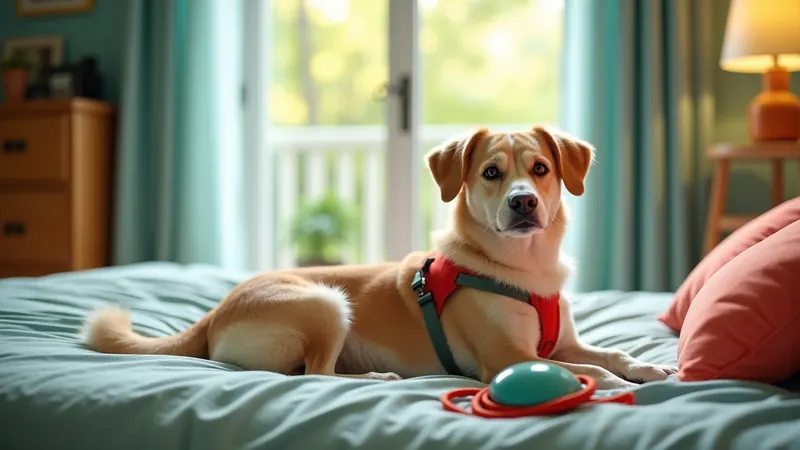
Dog Separation Anxiety Training
Build alone time in small steps, and know when to get help.
When a rescue dog needs a professional
Some adopted dogs carry fear that needs expert help. Start with your veterinarian if the dog growls, snaps or bites, guards food or toys, panics or hurts itself when left alone, stops eating, or shows a sudden change in behavior. Pain and illness can look like "bad behavior", and a vet can refer you to a qualified behavior professional.
Once your dog has settled, the adult-dog guides help with leash pulling, jumping on guests and coming when called.
Working on walks and manners next?
The adult-dog path covers leash pulling, jumping up and recall, with a reward-based plan for each.