
New Puppy
New puppy: start here
The first weeks with a puppy are busy, loud and sometimes sleepless. You don't have to fix everything at once. These guides are in the order most homes need them.

Your first-week priorities
Puppies learn from what happens over and over, so the most useful thing you can do in week one is set up a home where the right choices are easy: a comfortable crate or pen, toys within reach of every place you sit, and toilet trips on a timetable rather than "when you remember". Rewards do the teaching; management stops the puppy practicing the habits you don't want.
If you only do four things this week
- Take the puppy out on a schedule (after sleep, play and meals) and reward every success outside.
- Make the crate a place good things happen, with the door open, before you ever close it.
- Keep a toy in your hand when you play, so teeth have somewhere better to go than your skin.
- Start gentle, positive meetings with new people, sounds and surfaces, following your vet's advice on vaccinations.
What the first month usually looks like
| When | Focus | Guide |
|---|---|---|
| Days 1-3 | Toilet trips on a timetable, a cosy crate with the door open, a calm bedtime routine | Potty schedule |
| Week 1 | Short, happy crate sessions; a plan for night crying; toys in reach for every play session | Crate training |
| Weeks 2-3 | Teaching a soft mouth and swapping hands for toys; gentle handling practice | Puppy biting |
| Weeks 1-4 and beyond | Positive meetings with people, sounds and surfaces, guided by your vet's vaccination advice | Socialization checklist |
Read these in this order
- 1
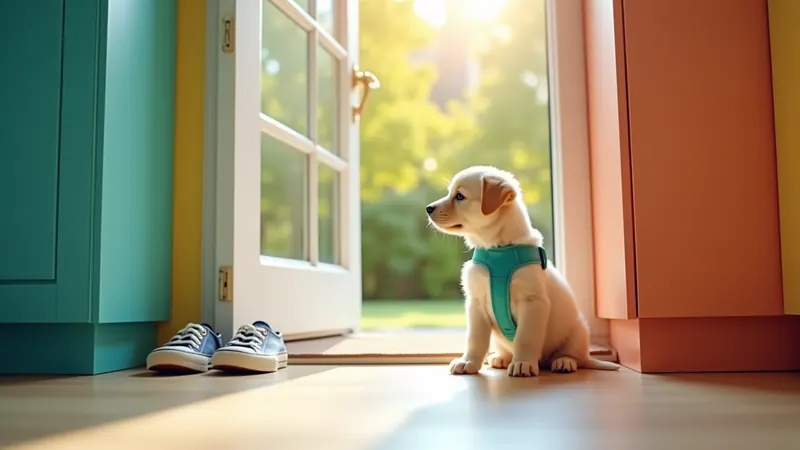
Puppy Potty Training Schedule
Timed toilet trips by age, with a sample day.
- 2
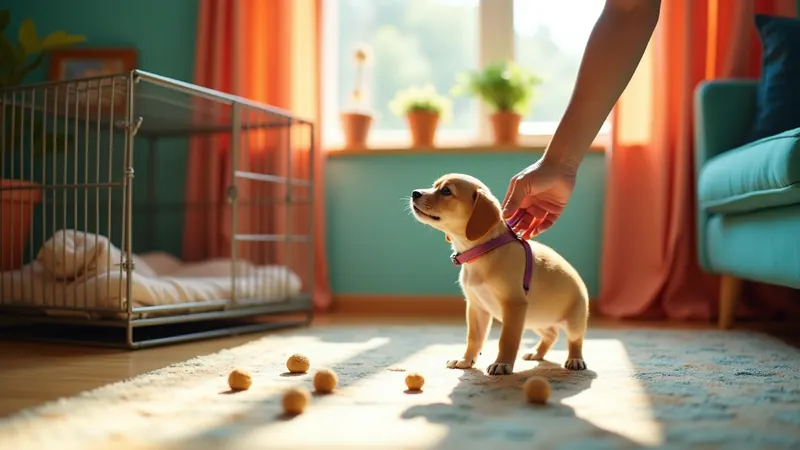
How to Crate Train a Puppy
A 7-stage crate plan the puppy chooses, not endures.
- 3

Puppy Crying in the Crate at Night
A calm night routine for the first two weeks.
- 4
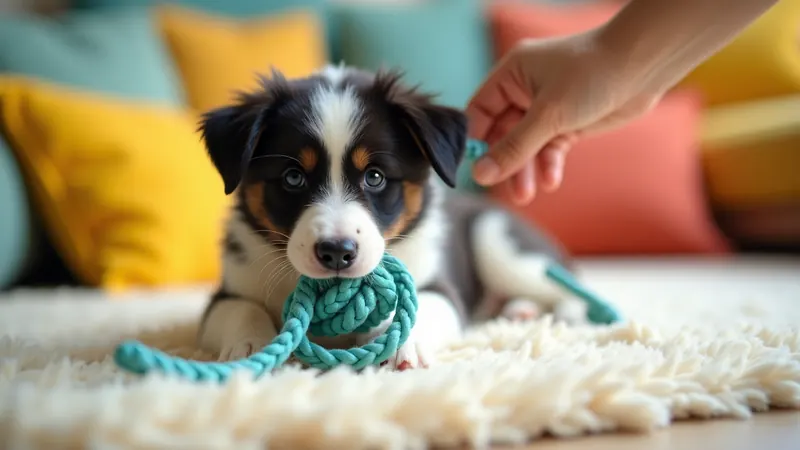
How to Stop Puppy Biting
A step-by-step plan to teach a soft mouth and redirect to toys.
- 5
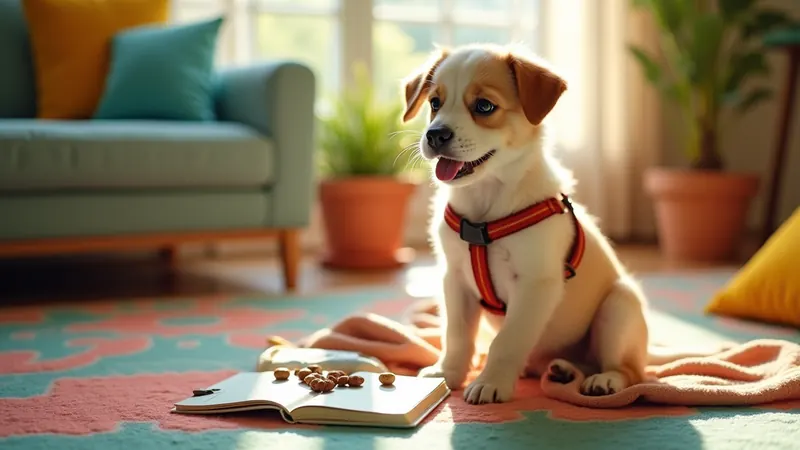
Puppy Socialization Checklist
What to introduce, when, and at what pace.
When a puppy problem needs a professional
Most puppy biting, crying and accidents are normal development and respond to the plans above. Call your veterinarian if accidents suddenly increase, if the puppy seems unwell or in pain, or if biting comes with stiffness, growling over food or toys, or real fear. They can rule out medical causes and refer you to a qualified behavior professional.
Next, when the basics are in place: loose-leash walking, recall and calm greetings can all start in puppyhood.
Have a rescue or an older dog too?
The rescue-dog path covers the first weeks with an adopted adult dog, house training an older dog and alone time.