
Rescue Dog
Dog won't take treats? Test what motivates him, then build from the floor
Your rescue dog sniffs the treat, turns his head and lies down, and every reward-based plan you have read depends on a reward he won't take. Before you give up on training, test what he actually wants, then teach him that food from a hand is safe.
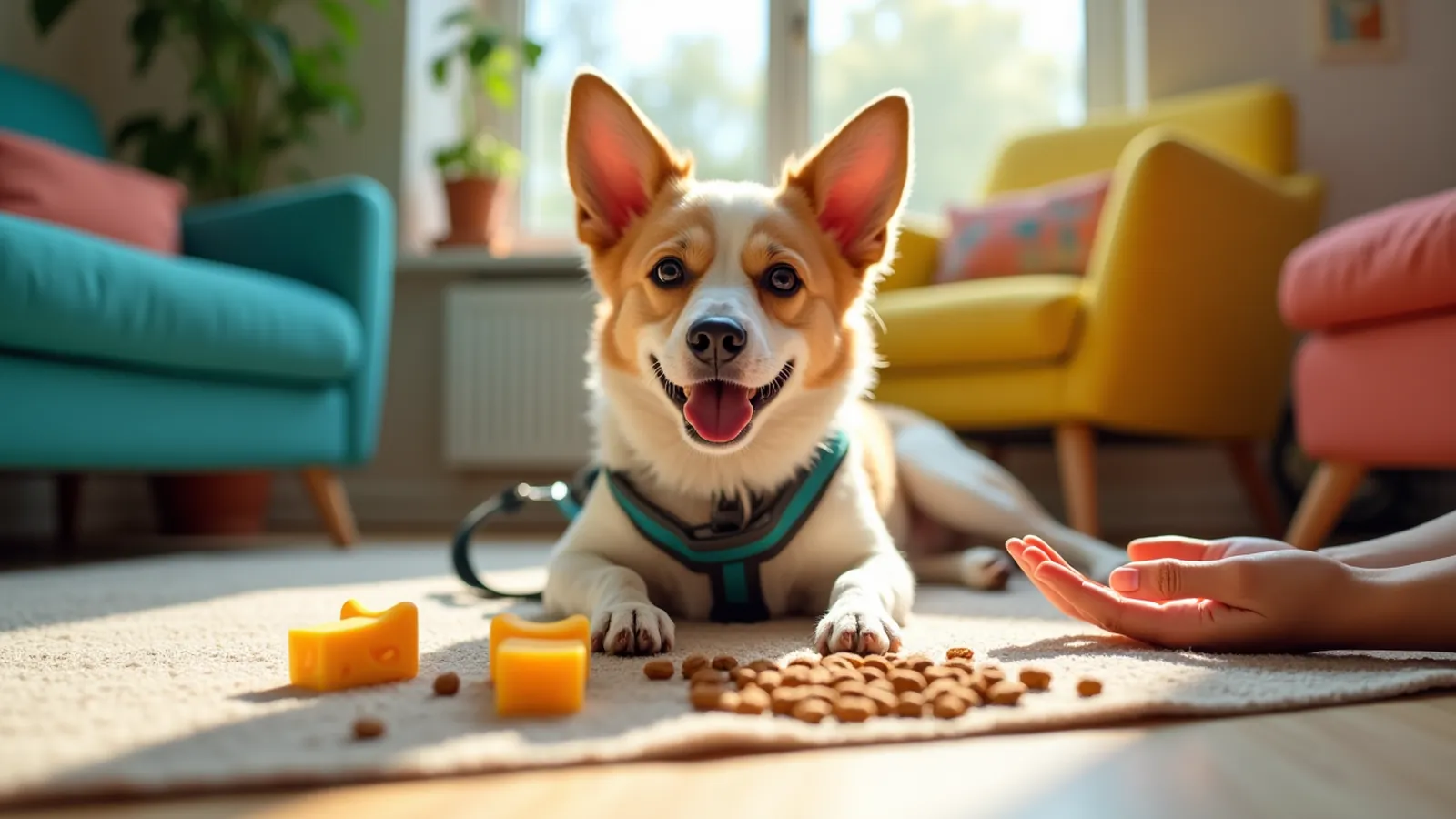
On this page (11 sections)
- Why your dog won't take treats
- The treat-testing matrix
- How to run the treat test today
- Three steps to hand-feeding trust
- If he takes a toy but not the food
- Dog not eating food: when it's appetite, not training
- Troubleshooting the treat test
- When to get professional help
- Frequently asked questions
- Keep going
- Sources
You have the treat pouch out and a plan open on your phone, and your rescue dog sniffs your fingers, turns his head and lies down. If your dog won't take treats, the whole reward-based method suddenly feels impossible, because every plan you have read depends on a reward he will actually take.
There is usually a practical reason, and it is usually findable in a short session at home. He may be too worried about something in the room to eat, the food may not be worth much to him, your hand may feel like pressure, or he may not be hungry or not feel well. This page sorts out which one it is: a treat test you can run today, a simple log, then three steps for teaching him to take food from your hand. (If he has only just arrived, run the settling-in plan first and come back to this in a few days.)
Key takeaways
- A dog refusing treats is giving you information, not being stubborn. Change the setup before you change the dog.
- Test one thing at a time: soft versus crunchy, smelly versus bland, tossed versus hand-fed, food versus toy.
- Dropping food on the floor and stepping back removes the pressure a held-out hand creates.
- Hand-feeding trust is built in three steps: treats on the floor at a distance, then closer, then a flat open palm.
- Not taking treats during training is a setup question. Not eating meals at all is a vet question, with a clear line for it below.
- You need one reward that works and a calm place to use it. A course cannot supply either one for your dog.
Do this today
- Pick a quiet room and shut the other dog out of it.
- Choose three foods you already have: one soft, one dry, one strong-smelling.
- Drop one small piece on the floor from standing height, take one step back, and write down what he does.
Why your dog won't take treats
Refusing food is information, not stubbornness. The fastest way to read it is to change the place rather than the dog: offer the same treat he just refused in the kitchen, then by the front door, then outside. If he takes it in one place and not another, the place is your answer, and that is something you can work with.
When he refuses it everywhere, five other explanations are worth testing:
- The food isn't worth much to him. Soft and strong-smelling is a common first guess, but dogs differ, which is exactly why you test instead of assume.
- Your hand is the pressure. A hand held out at nose height can look like a hand about to reach for a collar. Dropping food on the floor and stepping back takes that out of the picture.
- He is worried about the room or the moment. A dog who is excited or worried may not be interested in food, so a session held right before a walk, or with the other dog bouncing around, tells you very little.
- He is not hungry, or not well. Skipping treats while eating meals normally points to training and setup. Refusing meals as well is a vet question, covered further down.
- He has not learned that hands are safe yet. Best Friends Animal Society notes that trust grows in small increments and starts, but doesn't end, with the dog no longer fearing you. That is not a training failure on your part. It is a starting point, and there is a sequence for it below.
That last point matters most for a rescue dog who came from a shelter, a hoarding situation or a puppy mill. If every hand he has known grabbed, lifted or held him, a hand reaching toward his face is not a reward delivery. It is a warning. The fix is not a better treat. It is a better delivery, and that is what the rest of this page builds.
The treat-testing matrix
Run the whole matrix in one sitting, in a quiet room, with the other dog shut out. Four comparisons tell you most of what you need to know, and you can do them with food that is already in your kitchen.
| What to compare | How to test it | What a clear result tells you |
|---|---|---|
| Soft versus crunchy | Offer a small piece of soft food (a sliver of cheese, a soft training treat) and a piece of dry biscuit, one after the other, both dropped on the floor. | If he takes one and not the other, you have a base food. Texture matters more than most owners expect. |
| Strong-smelling versus bland | Compare something with a strong smell against plain kibble from his own dinner. | A dog who ignores kibble but takes the smelly food is telling you the reward was too low-value, not that training is impossible. |
| Tossed versus hand-fed | Drop one piece and step back. Then offer the same food flat on your palm, hand still and low. | If tossing works and the hand does not, pressure from your hand is part of the problem. |
| Food versus toy | Offer a treat, then a favorite toy or a short game of tug. | Some dogs work for play, chasing or a sniff instead of food. You only need one reward that reliably works. |
Score every trial the same way so the results can be compared: A for took it straight away, B for sniffed it and left it, C for moved away or would not approach. Two rules keep the results useful. Change only one thing at a time, and don't repeat the same trial over and over in a row: a dog who feels pressured will walk off, and you will learn nothing from that.
A dog is tested in a hallway with the bedroom door shut. Soft cheese, tossed and followed by one step back, is taken before the person has finished moving. A dry biscuit is sniffed and abandoned. The same cheese offered on a flat palm gets a head turn and a backward step. The log now says something useful: this dog will work for soft food at a distance, and hands still need work. That is a starting plan, not a dead end.
How to run the treat test today
Treat the steps as an order rather than a schedule. If your dog is already walking away, stop, put the food down and try again somewhere quieter later.
Set up a calm room
Close the door, put the other dog somewhere else, sit on the floor and put your phone face down. A dog who is excited about a walk or a visitor is not a useful test subject, because a dog who is excited or worried may not be interested in food.
Move on when: he is wandering the room rather than pressed against the door.
Choose three foods you already own
One soft, one dry, one strong-smelling. His own kibble counts, and so does a plain piece of cooked chicken or cheese. Don't buy anything yet; the point of the first test is to find out what you already have. Cut each into small pieces.
Move on when: the three foods are ready in three separate piles.
Drop, step back, wait
Toss one piece on the floor, move a step away and look at something else. Give him a moment to decide before you add any more pressure, and don't point, tap the floor or repeat his name.
Move on when: you have a score for at least two of the three foods.
Write it in a log
One line per trial: food, delivery, score and anything you noticed. A written log beats memory, especially in a week when you are also managing a puppy and a full-time job.
Move on when: you can name the food he takes most reliably.
Repeat the winner in a second place
If it works in the kitchen, try the hallway, then just outside the front door. The place where he stops taking food is your training ceiling for now, and knowing it saves you a run of frustrating sessions on the sidewalk.
Keep going: go back to the last place he could eat, and build outward again over days, not minutes.
| Trial | Food and texture | Delivery | Score | Notes |
|---|---|---|---|---|
| 1 | Soft cheese | Tossed, one step back | A | Took it before the person stopped moving |
| 2 | Dry biscuit | Tossed | B | Sniffed it, then walked to the door |
| 3 | Soft cheese | Flat palm | C | Backed away; the hand was too close |
| 4 | Soft cheese | Tossed, two steps back | A | Ate both pieces, stayed in the room |
When you take a break, don't pack the food away in front of him and don't make a fuss. Stand up, open the door and let him leave first. The session should end with him still willing to be in the room.
Three steps to hand-feeding trust
This is the sequence Best Friends describes for rescued dogs who have no reason yet to trust hands, and it suits any dog who finds a hand near his face too much. It is slow on purpose, and the dog sets the pace.
Treats on the floor, you at a distance
Sit on the floor with tasty treats placed at varying distances around you. Look away, talk softly, or read aloud in a soothing tone. Best Friends says this can take minutes or it can take months, and both are normal.
Move on when: he eats treats while you are in the room.
Shorten the distance, not the pressure
When he is comfortable eating at a distance, gradually place treats closer to you, then closer to your hand. Best Friends describes moving your hand slowly toward the treat once the dog is within arm's reach, so he learns it is safe to eat near a hand.
Move on when: he eats a treat that is sitting within arm's reach of you.
The flat, upturned palm
Place a treat in your open palm and let him take it. Keep your hand still and low: don't close it over the food, don't reach to pet, don't say anything. Best Friends calls a dog taking food from an upturned palm a huge sign of acceptance and trust.
Keep going: once he takes food from your hand, make it routine. Best Friends suggests hand-feeding at mealtimes once the dog is willing. You don't have to hand-feed every bite; use part of the meal as rewards and put the rest in his bowl.
One thing makes all three steps easier: a routine. Best Friends calls a consistent schedule for feeding, going outside, play, rest and sleep a critical part of building trust, because it teaches a dog that the world is dependable. Meals at the same times also mean your hand-feeding sessions land at a moment when he is actually hungry.
Make hands boring the rest of the time
If the only time your hands go near him is to deliver food, they stop predicting grabbing. Dogs Trust advises keeping your hands at your side with a new rescue dog and letting him come to you, and that applies to every other minute of the day too. Reach for his collar only when you have to, and pair it with food when you do.
If he takes a toy but not the food
Some dogs will work for a ball, a tug toy, a squeaker or a scatter of kibble to sniff out, and that is a perfectly good training currency. Use whatever he will actually work for, and keep sessions short so the reward stays worth having.
Two cautions. Play rewards are harder to deliver quickly than food, so they suit bigger moments such as coming when called better than fine timing. And a dog who is too worried to eat is often too worried to play, so if both flop in the same spot, move him somewhere quieter instead of pushing harder.
In a house with a puppy and a rescue, run these sessions separately. A puppy bouncing around is exactly the kind of pressure that makes a worried dog stop eating, and separate sessions also mean each dog gets your full attention rather than half of it. If the puppy is the one who needs a plan, the guide to choosing an online puppy course explains what to check before you pay for anything.
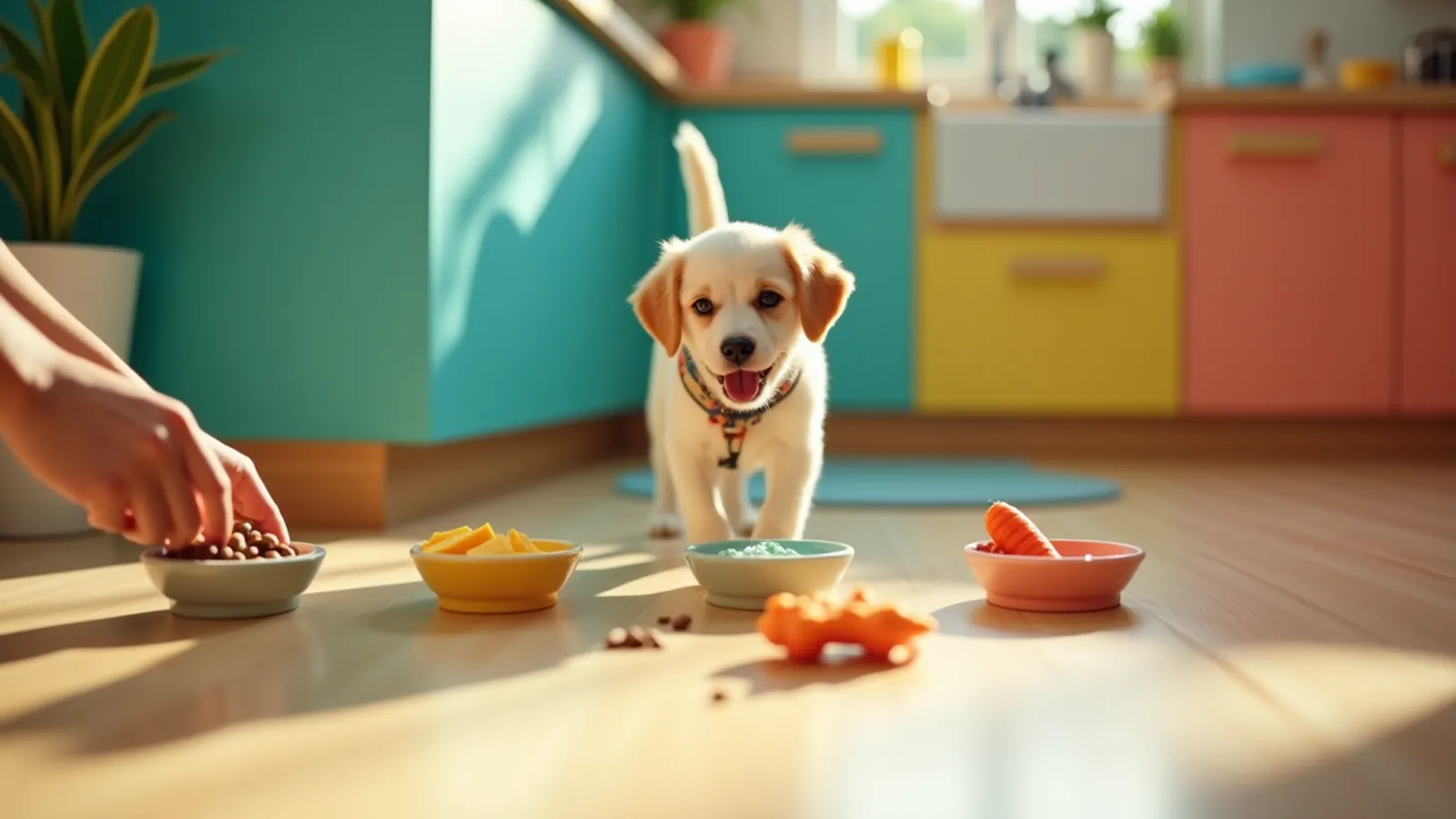
Dog not eating food: when it's appetite, not training
There is a real difference between a dog who won't take treats and a dog who is not eating. If he eats his meals normally and only refuses treats during training, work through the matrix above. If he is not eating his food, skips meals, leaves the bowl full or picks at it, treat that as a health question first.
VCA Animal Hospitals advises prompt veterinary evaluation for a pet with a decreased appetite, or one who refuses to eat. Note when he last ate, what he ate, and whether anything else has changed, so you can tell your vet something useful instead of guessing.
A dog in a new house may eat less at first, but that is a reason to watch closely rather than wait it out. If you have just brought him home, the first-week setup in the 3-3-3 rule for rescue dogs explains how to arrange meals so he can relax, and rescue dog not eating walks through the low-pressure feeding steps. Neither replaces a call to your vet when he has stopped eating altogether.
Watch for
Refusing meals as well as treats, vomiting, diarrhea, lethargy, hiding more than usual, or a dog who seems keen on food and then drops it. Any of these is a call to your veterinarian, not a training adjustment.
Troubleshooting the treat test
- If he takes treats at home but not outside
- You have found your training ceiling. Work at the front door with the door shut, then with it open, then one step outside. Distance from the distraction is the dial you turn.
- If he takes the treat and spits it out
- Try softer, smaller and stronger-smelling, one change at a time. A dog who spits food out is often interested but not convinced.
- If he only eats once you step away
- That is a step forward, not a failure. Keep tossing and retreating, and let him close the distance when he is ready.
- If he takes food from one person but nobody else
- Common with nervous dogs, and not an emergency. Let that person do most of the feeding and hand-feeding while everyone else drops food on the floor and steps back.
- If he takes treats happily but still pulls or jumps
- The reward is working; the plan needs adjusting. See how to stop your dog pulling on the leash and how to stop your dog jumping on people.
- If he freezes, stiffens or growls over a treat
- Stop the exercise and get professional eyes on it. Guarding behavior is not something to work through alone.
If you are wondering whether another paid program would sort this out: no course can make a dog take food he does not want, in a place he does not feel safe in. We have no affiliate relationship with The Online Dog Trainer today, and we earn nothing if you buy. If that changes, this sentence and the links will say so. You can read what its own sales pages claim, dated, in the Doggy Dan review, and compare that with what the free options cover. The two things that actually change this problem, a calmer setup and taking food from a hand, are the steps on this page, and they cost nothing. If you do pay for anything, check it against the questions in how we write and the list of checks on the course page first.
When to get professional help
Stop and call for help if
- He is not eating his meals, or refuses food and seems unwell (VCA).
- He growls, snaps or freezes when you reach toward him, his bowl or his bed.
- He panics when left alone, hurts himself trying to get out, or cannot settle at all.
- He is losing weight, vomiting, or eating less week by week.
- Hand-feeding has stalled for weeks and he still will not take food near a hand.
Who to call. Start with your veterinarian: pain, illness and medication side effects can all show up as behavior changes. For behavior problems, look for a board-certified veterinary behaviorist (ACVB directory), a certified applied animal behaviorist, or a certified behavior consultant, for example through the IAABC or the CCPDT directories. Ask any trainer which methods they use; reward-based is what the American Veterinary Society of Animal Behavior recommends.
AVSAB's position statement warns that aversive methods and tools can increase fear and avoidance and make dogs less likely to interact with people at home, which is the opposite of what a dog who is already refusing food needs. This site does not use or recommend them.
Frequently asked questions
Why won't my dog take treats from my hand?
Usually one of three things: he is worried about something in the room, the food is not worth enough to him, or a hand held out feels like pressure. Test it by dropping the same food on the floor and stepping back. If that works, your hand is the problem, and the three hand-feeding steps above are the fix.
Should I use a toy instead of treats?
If he will work for a toy, yes. A short tug game, a ball or a scatter of kibble to sniff out all count as rewards. Keep sessions short so the toy stays worth having, and expect toy rewards to suit big moments better than fine timing.
How long does it take a rescue dog to take food from your hand?
There is no fixed time. Best Friends says the floor work can take minutes or it can take months, and both are normal. Watch for progress instead of counting days: eating in the same room as you, then closer, then from a flat palm. Every dog is different.
My dog is not eating his food. Is that the same problem?
No. Refusing treats during training is usually a setup or reward problem. A dog who is not eating his meals needs a vet: VCA Animal Hospitals advises prompt veterinary evaluation for a pet with a decreased appetite or one who refuses to eat. Bring notes on when he last ate and what has changed.
Can I still train a dog who won't take treats?
You can train the parts that don't need a reward delivery, such as management: gates, a quiet den, and keeping the other dog out of the room during meals. For everything else, find one reward he will take, even if it is only soft food at a distance, and build out from there.
What if he takes treats from me but not from anyone else?
That is common with nervous dogs and not a crisis. Let the person he trusts do the feeding and the hand-feeding while everyone else drops food on the floor and steps back. Over time, the dog usually adds people at his own pace, and no visitor should try to win him over with a hand in his face.
Sources
- What to Expect When Rescuing a Puppy Mill Dog, Best Friends Animal Society (accessed October 29, 2026).
- Urgent Care for Loss of Appetite, VCA Animal Hospitals (accessed October 29, 2026).
- How to help a rescue dog get settled into your home, Dogs Trust (accessed October 29, 2026).
- Position Statement on Humane Dog Training, American Veterinary Society of Animal Behavior, 2021 (accessed October 29, 2026).
Just adopted? Start here
Settling an adopted dog in the order that matters: the first quiet days, house training, alone time and building trust.